

Published on: 05/06/2026
This news was posted by Apex Wealth Advisors


Description
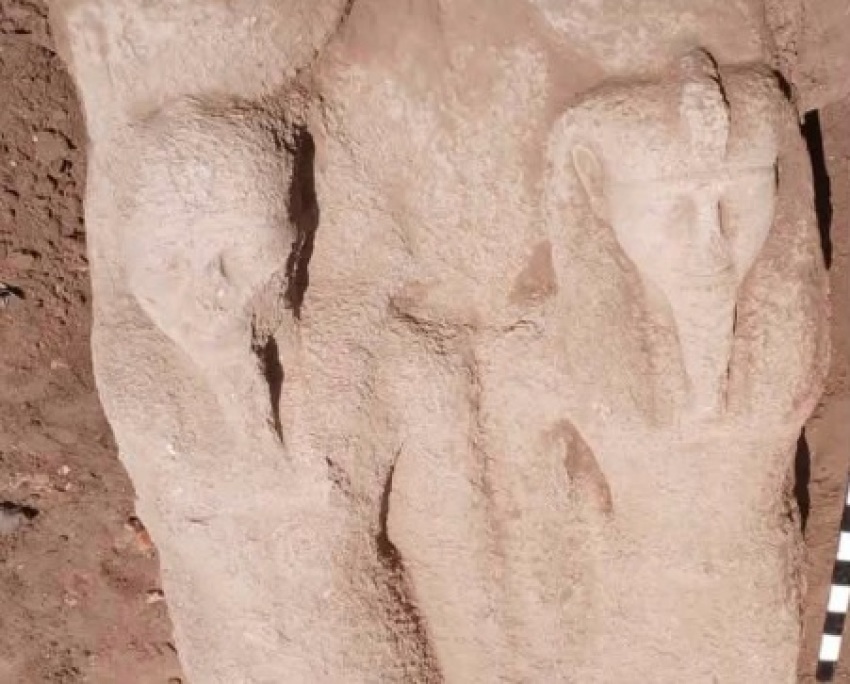
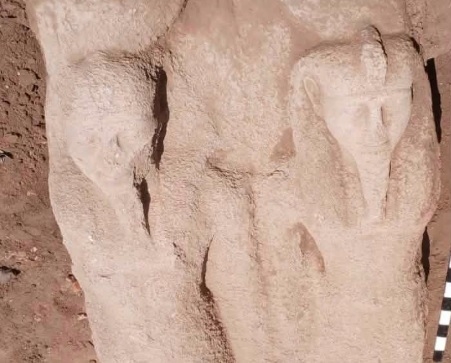
The discovery of a massive statue thought to represent Ramses II — frequently depicted in films as the pharaoh in the biblical Book of Exodus who refused to release the enslaved Israelites — is shedding new light on ancient Egyptian civilization in the East Delta region.
The statue was unearthed during an archaeological mission at the Tel Faraoun site in Sharqia Governorate, according to an April 22 statement released by the Egyptian Ministry of Tourism and Antiquities and the Supreme Council of Antiquities.
While the lower portion of the statue, including the legs and base, is missing, it is estimated to weigh between 5 and 6 tons and stand about 7 feet tall. Despite the statue's "relatively poor condition," officials say the remaining parts "show artistic and property traits," and describe it as "likely depicting King Ramses II."
Hisham Lithi, secretary-general of the Supreme Council of Antiquities, said the discovery is "important archaeological evidence" of religious and royal activities in the eastern Delta. The discovery highlights the ancient Egyptian practice of relocating royal statues, Lithi added.
Mohamed Abdel-Badii, head of the Egyptian Archaeological Sector of the Supreme Council, noted that preliminary studies indicate that the statue did not originate in Tel Faraoun.
Researchers believe it was originally crafted in Pi-Ramesses, the capital city established by Ramses II, and then transported to Tel Faraoun for reuse in a religious complex.
"In the framework of preserving this discovery, the statue was immediately found from inside the temple complex on site to the museum warehouse in the San El-Hajar area, as a prelude to the beginning of urgent and meticulous restoration work, according to the highest scientific standards of maintenance and preservation of relics," the April 22 statement explains.
Ramses II, who was born in 1303 B.C. and died in 1213 B.C., is considered one of Egypt's most famous pharaohs. The theory that Ramses II was the pharaoh during the biblical Exodus is popular, due in part to multiple films, including "The Ten Commandments," DreamWorks' "The Prince of Egypt," and "Exodus: Gods and Kings," portraying him as such.
The 13th-century pharaoh is not identified in the Bible, however, as the ruler Moses faced. In the Bible, the Book of Exodus portrays the pharaoh as defiant toward Moses' claim that God required the enslaved Hebrews to leave Egypt. The pharaoh isn't named, and the scarcity of reliable information from that era makes it difficult to pinpoint exactly who the pharaoh was. Biblical interpreters often identify Amenhotep II as the pharaoh in the Exodus account, according to Got Questions. However, that opinion is "hardly universal, however, and by no means free of challenges."
The unearthing of the statue believed to represent Ramses II is not the only discovery archaeologists have made in Egypt in recent months.
Earlier this year, Egypt's Ministry of Tourism and Antiquities announced that Egyptian archaeologists had unearthed a 1,500-year-old monastic complex in the Nile Delta, including a fifth-century building believed to have served as a reception facility for pilgrims.
Archaeologists discovered the find at the Al-Qalāyā site in Beheira Governorate, with officials describing it as significant for understanding the origins of organized monastic life. According to the announcement, an Egyptian mission from the Supreme Council of Antiquities had been excavating in the area since 2023.
The uncovered structure contains 13 rooms that served multiple functions, including individual and communal monastic cells, spaces for hospitality and education, a kitchen and storerooms.
Other elements include a large hall in the northern section of the building, which features stone benches decorated with botanical motifs and was likely used to receive visitors, including senior monastic figures and those seeking to study monastic life.
Lithi identified Al-Qalāyā as the second-largest known monastic gathering site in the history of Christian monasticism. He said its architectural style reflects "the earliest nucleus of monastery establishment."
He also said the discovery shows the evolution of monastic architecture from solitary dwelling to communal housing and, ultimately, to facilities designed to receive visitors.
News Source : https://www.christianpost.com/news/archaeologists-uncover-statue-thought-to-be-ramses-ii.html
Other Related News

05/06/2026
By Jon Brown Christian Post Reporter Wednesday May 06 2026Aquilino Sanjur Ortega was arr...
05/06/2026
Indias government is facing growing backlash for proposing to change a key law that regul...
05/06/2026
By All Israel NewsWednesday May 06 2026The Israeli flag made from steel placed at Matan ...

05/06/2026
By Leah MarieAnn Klett Assistant Editor Wednesday May 06 2026No Limbs No Limits movie N...
05/06/2026
By Morning Star NewsWednesday May 06 2026ROMEO GACADAFP via Getty ImagesSURABAYA Indones...

Follow


Download Our App


Copyright 2022 © Pro Preview. All Rights Reserved