

Published on: 03/05/2026
This news was posted by Apex Wealth Advisors


Description

When producer Jeanine Thomas was diagnosed with stage four cancer in 2021, doctors warned she had only a 50% chance of surviving a risky surgery.
Her response was immediate: “I have a film to finish,” she recalled thinking. “I’m coming back, and I’m doing that.”
For Thomas, the film was “The Optimist,” a cross-generational drama inspired by the life of Holocaust survivor Herbert Heller. To her, the project was an undeniable call from God.
“I like to tell people I was called by God to make this film,” Thomas, a mother of four, told The Christian Post. “I wanted to help heal the past and the present.”
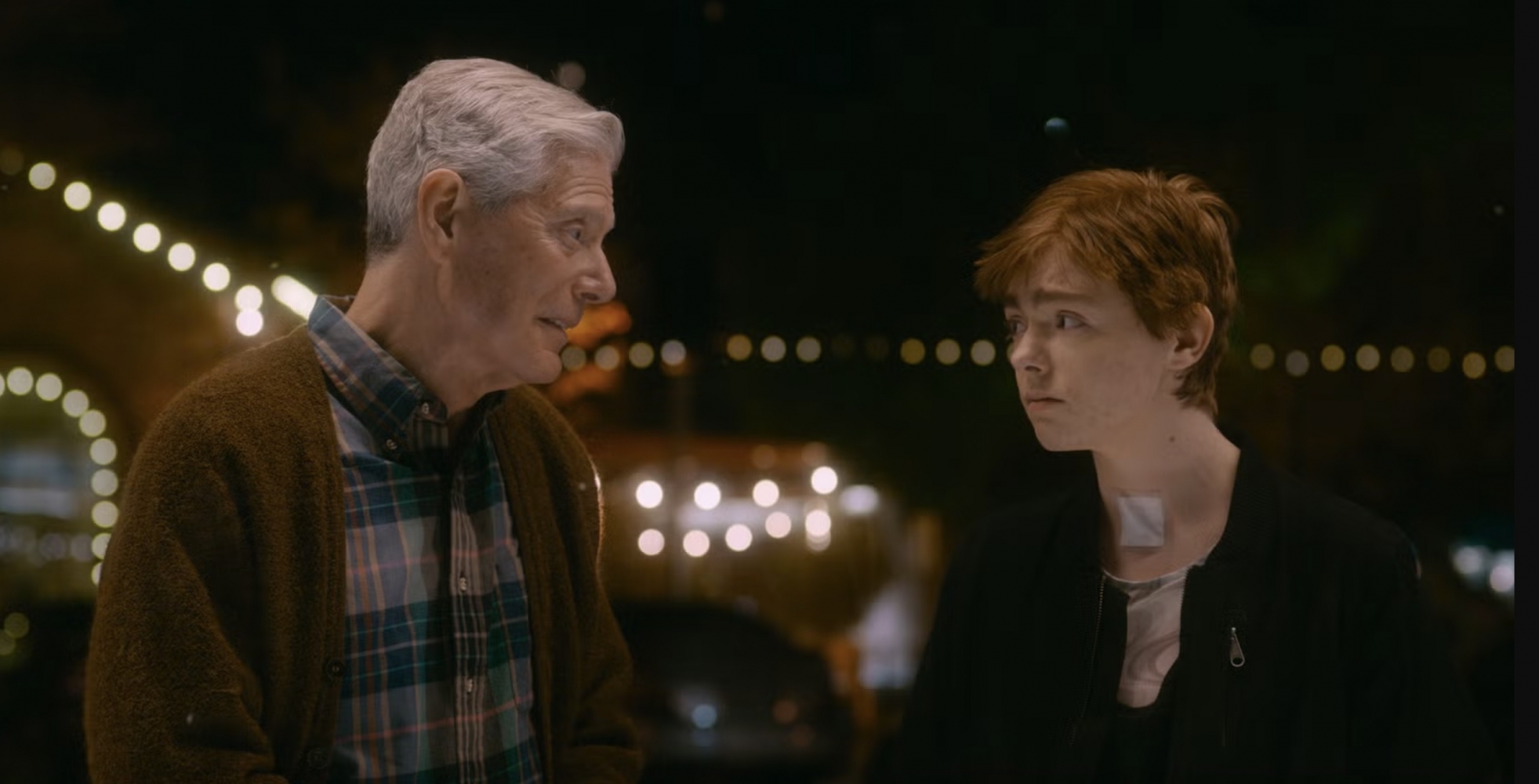
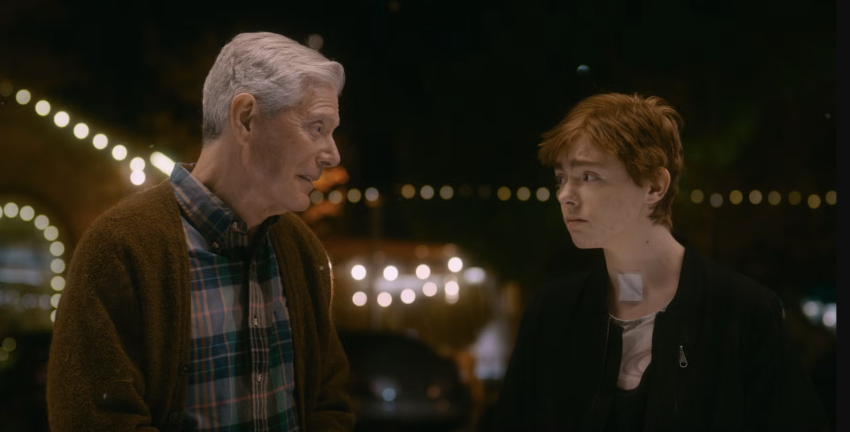
The Northern California–set film, hitting theaters March 11, stars Stephen Lang and Elsie Fisher and follows an unlikely friendship between an aging Holocaust survivor and a troubled teenage girl. As the two share their unspoken wounds, their connection becomes a pathway toward empathy, healing and renewed purpose.
According to Thomas, she first met Heller in 2015 and was immediately struck by his resilience. Born in 1929 in Teplice-Sanov, Czechoslovakia, Heller survived the horrors of the Holocaust after being deported to the Terezín ghetto and later to Auschwitz. At just 15 years old, he escaped during a death march in January 1945.
After the war, Heller immigrated to the United States, eventually settling in California. He built a new life, working his way up at Macy’s before opening a children’s department store in San Rafael that he operated for nearly five decades.
For most of his life, he rarely spoke about the trauma he endured. But that changed in 2004 when he recorded his testimony for the Bay Area Holocaust Oral History Project and began speaking publicly, particularly to young people.
Thomas, who spent a decade developing the movie with writer-director Finn Taylor, said witnessing those talks changed her life; soon, she was arranging speaking engagements for the elderly survivor across the Bay Area. Watching him address middle school audiences, she said, left a profound impression.
“He said to me, ‘Can you get me talks in schools?’” she recalled. “He told me, ‘I’ve just retired, and I’m bored.’ He was 88 years old, and the kids just paid attention. There were no phones out. Nothing. It really affected them.”
In that moment, she knew his story belonged on the screen. But beyond a Holocaust story, Thomas wanted the film to help viewers connect past suffering with present struggles.
“I said, ‘This needs to be a movie,’” she said. “Not just to honor Herbert’s story, but the way he impacted young people. We have to honor the Holocaust and everything people went through. But today, the second leading cause of death among people ages 10 to 34 is suicide. We have to look at that, too.”
“I wanted the film to help heal both the past and the present.”
While developing the project, Thomas received the devastating news of her stage four cancer, and doctors warned that the odds were uncertain. The night before the operation, with a 50% chance of survival, she lay alone in a hospital room during the height of the COVID-19 pandemic, unable to receive visitors.
In that quiet moment, she said she experienced something she still struggles to explain.
“I heard a voice from above say, ‘You can go during your surgery. But if you choose to stay, you’ve got to do what you came here to do,’” she said. “I said, ‘I’m staying.’”
For Thomas, that decision reinforced a lesson she saw reflected in Heller’s life: perseverance and hope are often a choice.
“You say the word ‘choice,’ and I really think it comes down to that,” she said. “For Herbert and anyone going through horrible experiences, there has to be a choice to persevere.”
“I know it sounds strange, but cancer was almost a gift from God,” Thomas added. “Without it, I don’t know if I would have pushed through all the hurdles to finish the film. I realized I might not have tomorrow. So why wait?”
Unlike many Holocaust films that focus solely on historical events, “The Optimist” centers on a relationship between generations: a Holocaust survivor and a modern teenager wrestling with her own pain. Thomas said that the dynamic was intentional.
“We are interfaith. We are intergenerational,” she said. “And I feel like we really have to come back to love.”
The film also highlights a lesser-known aspect of Heller’s survival: the Christian family that helped him escape during the death march.
“Ordinary people can do extraordinary things,” she said. “That’s what I wanted to show. … But in life, he didn’t see distinctions between himself and others based on faith,” she said. “That’s how life should be.”
For decades, Heller kept his story private because, according to Thomas, he did not want others to pity him. But once he began sharing his testimony publicly, he discovered the impact it had on others, especially young people.
He received countless letters from students who said his story changed how they viewed their own struggles. In an era of social media, misinformation and rapidly advancing artificial intelligence, Thomas stressed that stories grounded in truth matter more than ever.
“He wanted people to see him as a person, not a victim,” Thomas said. “Young people are looking for meaning. They want purpose.”
“Young people are searching for something real,” she said. “They want connection outside of social media.”
Heller died in 2021 at age 92, leaving behind a legacy that Thomas hopes the film will carry forward. To reinforce its mission, she has pledged to donate much of her equity in the project to organizations supporting Holocaust survivors living in poverty — thousands of Holocaust survivors in the United States live in poverty — and youth mental health initiatives.
“That really is the heart behind the film,” she said. “When you hear an individual story, it becomes much harder to deny that these events happened. … We just want kids to go through life happy and find their purpose.”
If Heller were alive to see the finished film, Thomas believes his message would be simple: transform suffering into something meaningful.
“He would want people to take whatever hardship they’ve gone through and turn it into a gift for the world,” she said. “Take the suffering and turn it into a diamond. I want to make the world a better place while I’m here.”
Surviving both cancer and the long journey of bringing “The Optimist” to life, Thomas said that the mission feels clearer than ever.
“Honestly,” she said, “I like the person I’ve become through this.”
News Source : https://www.christianpost.com/news/producer-credits-faith-after-surviving-cancer-to-complete-film.html
Other Related News
03/05/2026
By Samantha Kamman Christian Post Reporter Thursday March 05 2026Caleb Flynn Screenshot...
03/05/2026
Hollywoods biggest night celebrating faith and family-friendly entertainment is set to hi...
03/05/2026
By Leonardo Blair Senior Reporter Thursday March 05 2026Pastor Greg Locke speaks at Glob...

03/05/2026
Thousands of Americans in 14 countries are stranded in the Middle East as the war with Ir...
03/05/2026
By Jon Brown Christian Post Reporter Thursday March 05 2026Getty ImagesA recent survey o...

Follow


Download Our App


Copyright 2022 © Pro Preview. All Rights Reserved