

Published on: 05/02/2026
This news was posted by Apex Wealth Advisors


Description
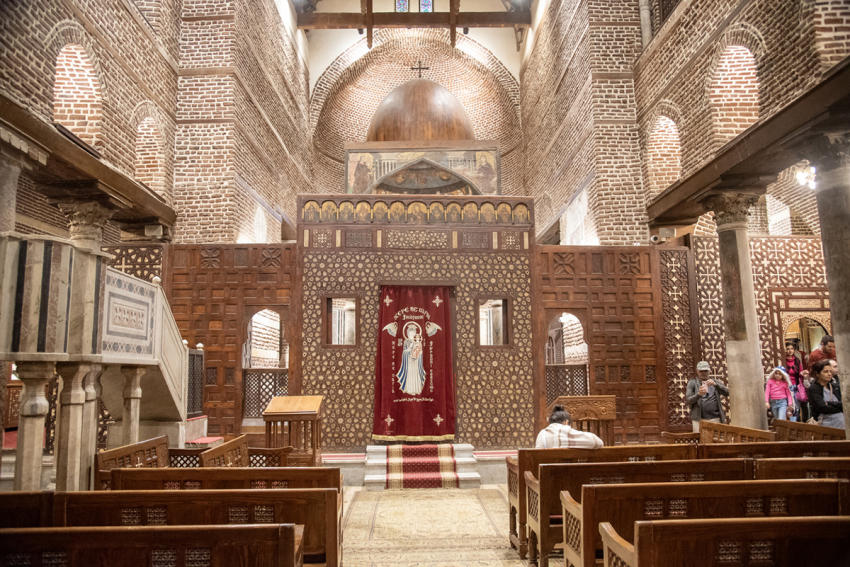
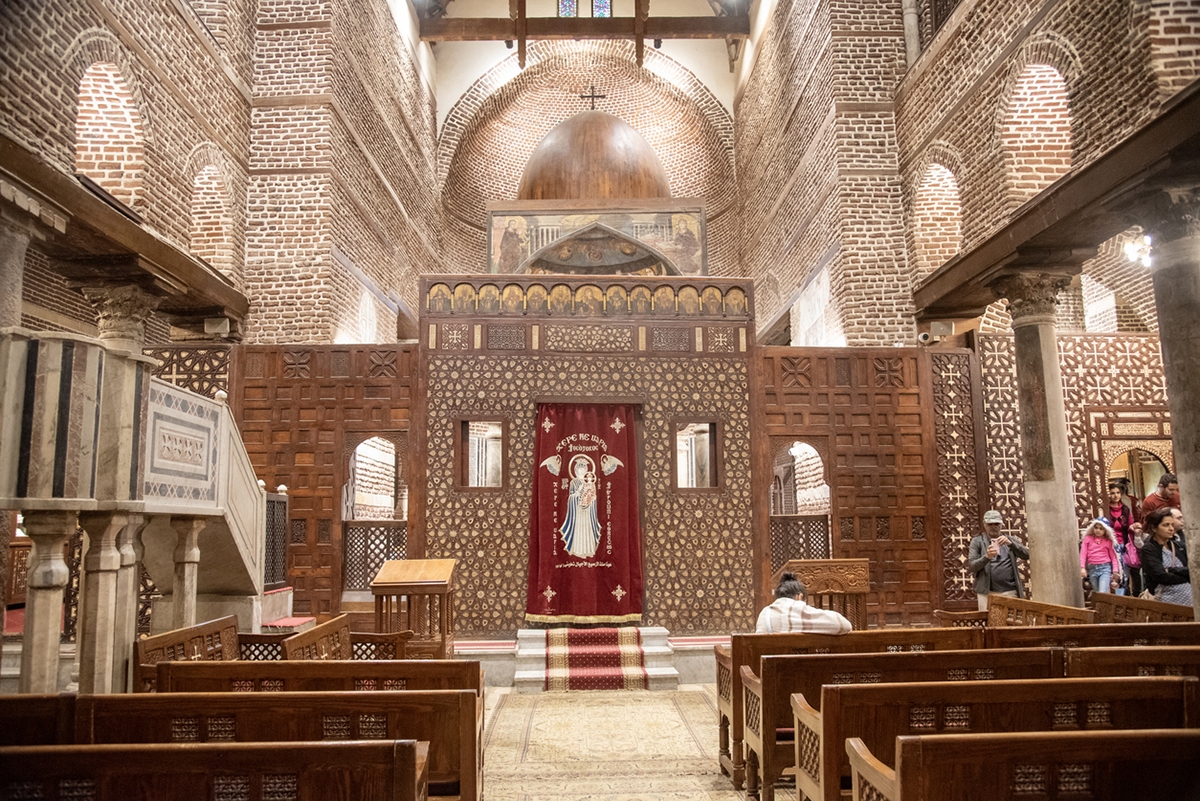
An Egyptian court has rejected a petition seeking to establish Easter as an official national holiday, leaving in place conditions that force the country’s Christians to choose between observing their faith’s holiest day and facing civil, professional and academic penalties.
The court declined to rule on the petition on procedural grounds, saying the question falls under the jurisdiction of the prime minister rather than the judiciary, and did not address the merits of the petition, according to ADF International, a religious freedom advocacy organization that supported it.
Religious freedom advocates from multiple Christian denominations plan to appeal the ruling and seek recognition of Easter as a public holiday.
Because Sunday is a regular working day in Egypt, Christians who take time off to observe Easter risk losing pay and face discrimination in the workplace. Students and university attendees who miss class for the holiday can suffer academic consequences for their absence.
Kelsey Zorzi, ADF International’s director of advocacy for global religious freedom, said the ruling denies Christians the right to worship freely on the holiest day of their faith and called on Egypt to take meaningful steps to recognize and protect Christians' rights.
“This is about far more than the recognition of a holiday. It is about the denial of a legal right to worship for Christians who already face ongoing and severe religious persecution,” Zorzi said.
The petition is part of a movement to advance religious freedom and remove barriers to worship in a country with a long Christian heritage. Egypt has long been called the cradle of Christianity since the first century, with the Coptic Church tracing its origins to the Apostle Mark in Alexandria.
Egypt has taken some steps toward expanding accommodations for Christian worship, though those measures remain limited in scope and uneven in application.
A December decision by the Ministry of Manpower granted leave to Christian private-sector workers to observe Easter but did not extend the same protection to public-sector workers. The decision also created a disparity among Christian denominations, granting more paid leave days to Coptic Christians than to Evangelicals or Catholics.
ADF International criticized the move, referring to Egypt’s constitutional guarantees of religious freedom under Articles 53 and 64, as well as international treaties that prohibit religious discrimination in employment.
Egypt recognizes Coptic Christmas, observed on Jan. 7, as a national public holiday. Advocates have long argued that Easter deserves the same status, and that its absence from the official calendar forces a choice between religious observance and civil or academic penalty that falls on no other faith community in the country.
Christians in Egypt make up about 10% of the country’s population alongside the Muslim majority.
The U.S. Commission on International Religious Freedom, or USCIRF, recently recommended that Egypt be placed on the State Department’s Special Watch List. The designation suggests that the government has perpetrated or tolerated severe violations of religious freedom.
Egypt’s blasphemy laws have been used to prosecute individuals who express or defend their faith, with penalties ranging from fines to prison sentences. In one case, Augustinos Samaan, a Coptic Christian YouTuber and researcher, was sentenced to five years’ imprisonment and hard labor for content he posted online defending his Christian faith. Dozens of similar cases are pending before criminal courts in the country.
The government also formally refuses to recognize Christianity on the official identity documents of those who convert from Islam, a separate restriction that compounds the existing limits on religious practice.
An earlier Open Doors report said Christians in Egypt continue to face difficulties establishing churches and places of worship, even as the government has legalized a growing number of churches through official registration. The report said Christians, Shia Muslims, Ahmadis and other minority faith groups face legal and administrative restrictions that constrain how they express and practice their beliefs.
News Source : https://www.christianpost.com/news/egypt-court-denies-christians-right-to-take-holy-day-off.html
Other Related News

05/02/2026
Despite growing in 2025 Bible engagement has ticked down and returned to 2024 levels acco...
05/02/2026
New Testament scholar Jeremiah J Johnston believes the most compelling archaeological evi...
05/02/2026
By Samantha Kamman Christian Post Reporter Saturday May 02 2026Visitors look through a w...

05/02/2026
Jesus was always serving others Throughout Scripture we see stories of Him washing fee...
05/01/2026
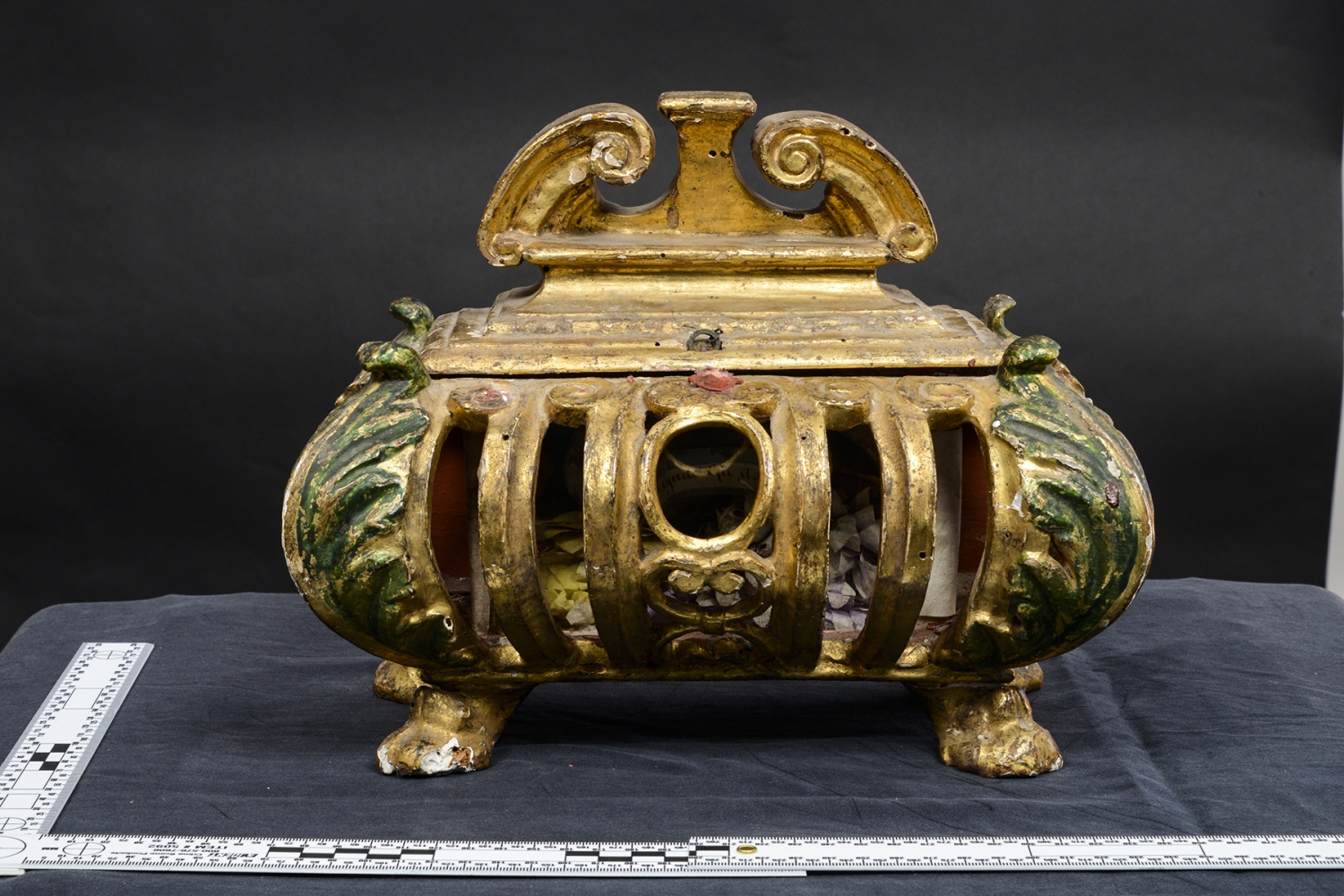
By Leonardo Blair Senior Reporter Friday May 01 2026This 17th-century reliquary urn is b...

Follow


Download Our App


Copyright 2022 © Pro Preview. All Rights Reserved